
A walk through the lesser-known but equally fascinating south side of Rome's historic center, from the ancient chariot-racing arena to the Aventine Hill and along the banks of the Tiber, ending at the Capitoline Hill where the conference social dinner awaits.
Meeting point
Metro Circo Massimo
Duration
~1.5-2 hours
Distance
~3 km
Arrival
Piazza del Campidoglio
Thursday, September 3, 2026 - afternoon (exact time to be confirmed). The walk is open to all registered participants; no booking is required.
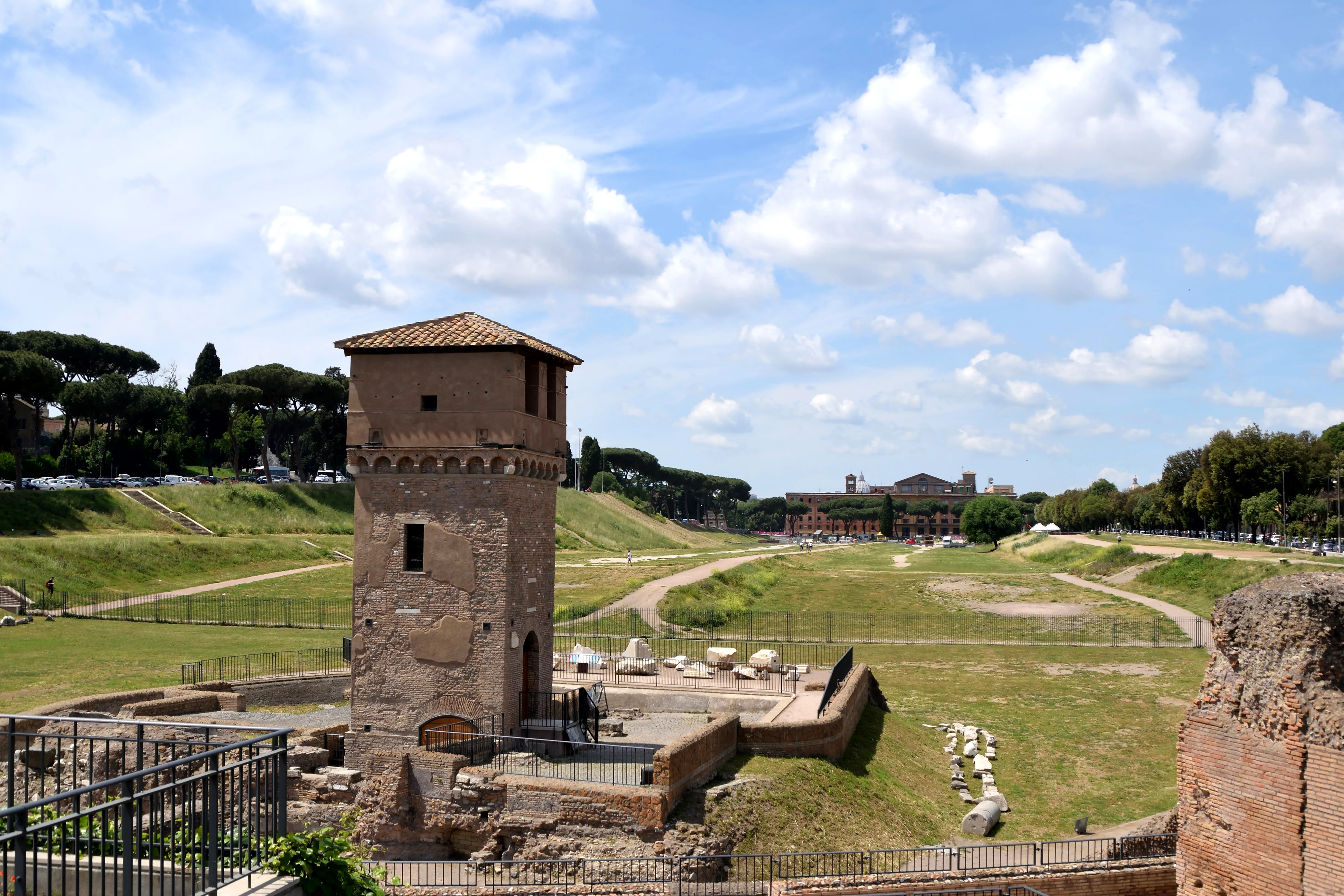
Circus Maximus
The largest venue for public entertainment in ancient Rome, the Circus Maximus was primarily used for chariot races and could accommodate an estimated 250,000 spectators, the largest stadium in the ancient world by far.
Chariot racing was immensely popular: teams were organized into factions (Reds, Blues, Greens, Whites) with passionate followings not unlike modern sports clubs. Today the site is a public park, and the shape of the ancient track is still visible.
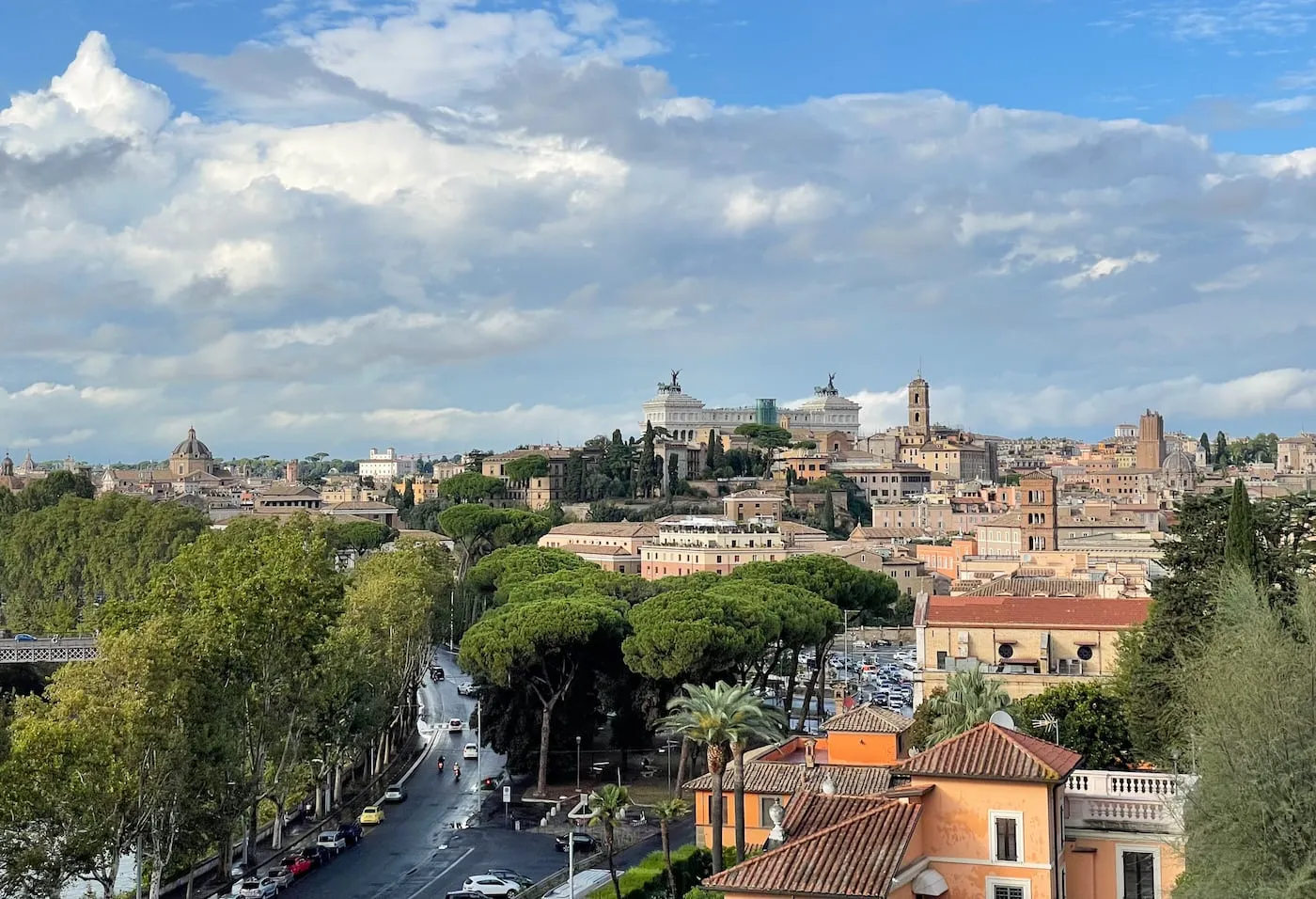
Aventine Hill
One of Rome's seven hills, the Aventine is one of the most peaceful and atmospheric neighborhoods in the city center, once a working-class district and later a place of monasteries, churches, and gardens.
At the top of the hill, the Piazza dei Cavalieri di Malta features a famous keyhole in the gate of the Priory of the Knights of Malta, framing a perfect view of the dome of Saint Peter's Basilica.
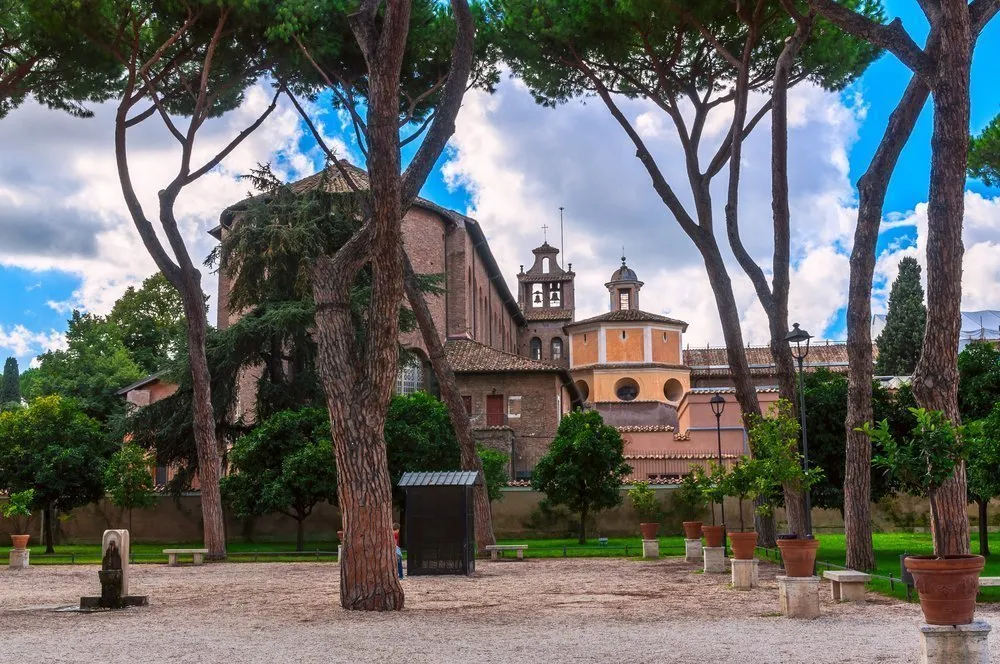
Garden of the Oranges
Officially known as Parco Savello, this small public garden takes its popular name from the bitter orange trees lining its paths. Built on the ruins of a 13th-century fortress, it offers one of the most celebrated views in Rome.
According to tradition, the first orange tree in Rome was planted here by Saint Dominic in the early 13th century. The park is a favorite among Romans, especially at sunset.
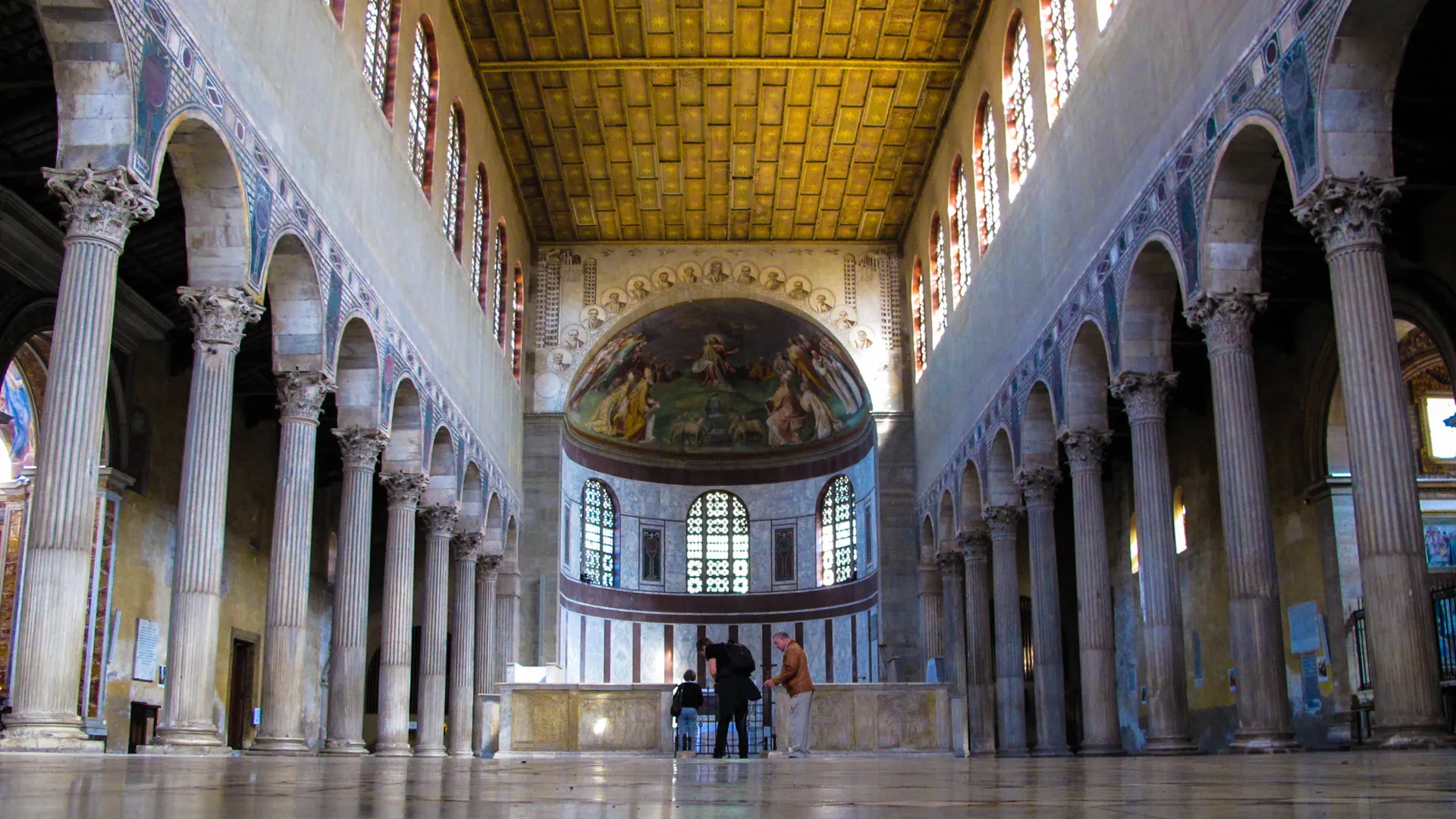
Basilica of Santa Sabina
One of the best-preserved early Christian churches in Rome, built between 422 and 432 AD. It retains 24 Corinthian columns of white marble, a nave flooded with natural light, and a striking early simplicity.
Its 5th-century wooden doors feature one of the earliest known representations of the Crucifixion in Western art. Today the basilica is the headquarters of the Dominican Order.
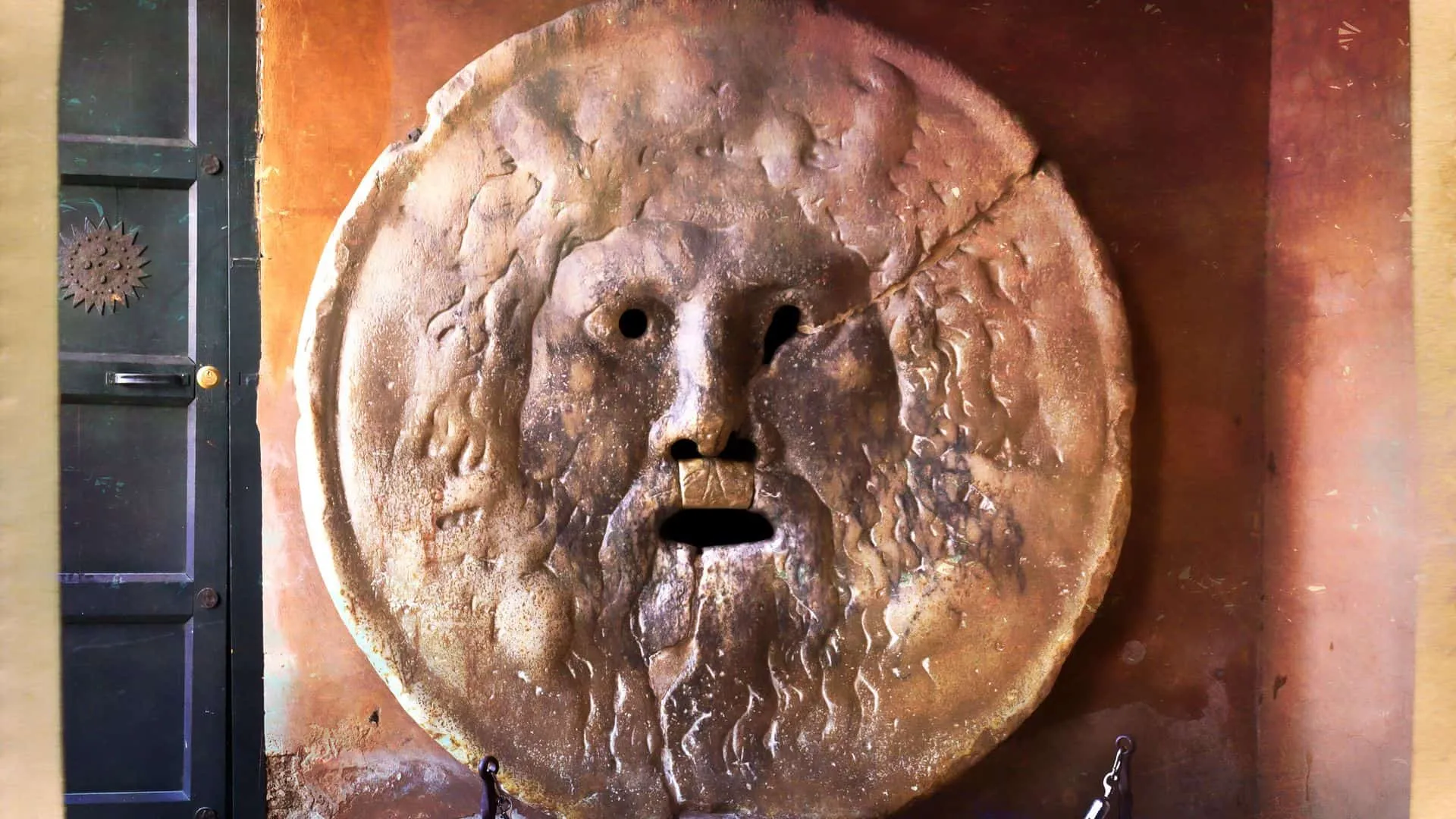
Mouth of Truth
A large marble disc carved as a bearded face, mounted in the portico of Santa Maria in Cosmedin. Its origin is debated: a drain cover, a fountain decoration, or a river god.
Medieval legend held that a liar who placed a hand in the mouth would have it bitten off - a legend made famous worldwide by the 1953 film "Roman Holiday."
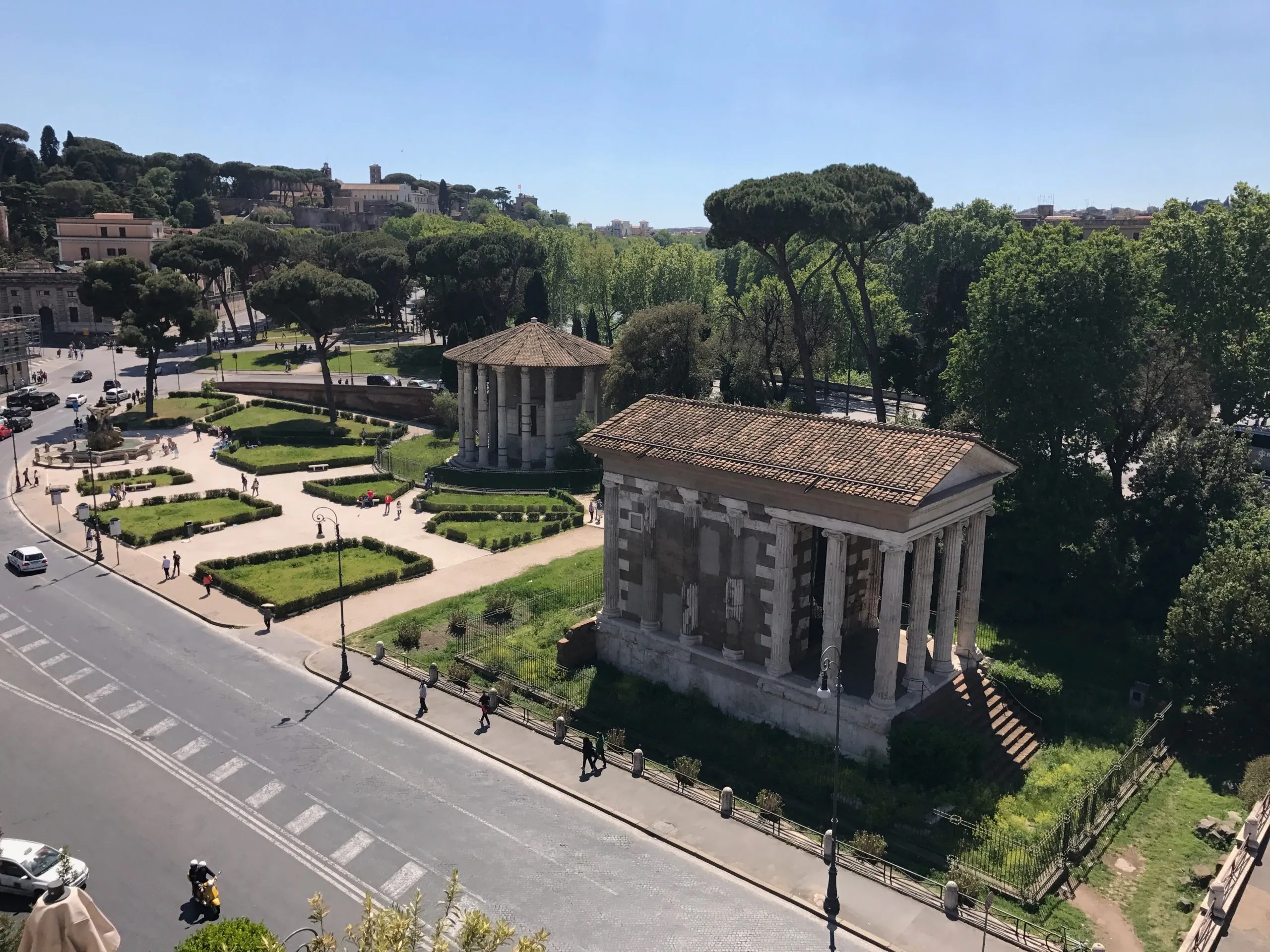
Forum Boarium
Ancient Rome's cattle market and one of the oldest commercial areas of the city, near where goods were unloaded from boats along the river.
Two remarkably well-preserved Roman temples survive here, along with the Arch of Janus, a 4th-century four-sided arch that served as a covered passage for merchants.
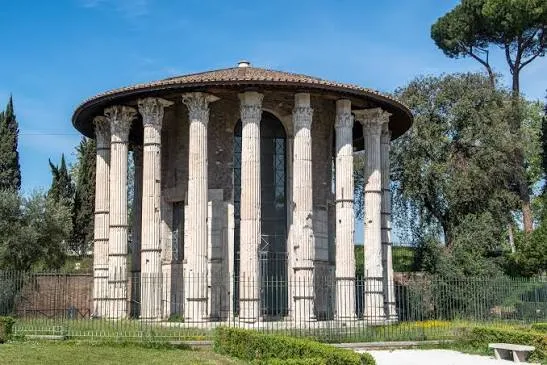
Temple of Hercules Victor
Surrounded by a ring of twenty Corinthian columns, this circular temple dates to the late 2nd century BC and is the oldest surviving marble building in Rome.
Preserved because it was consecrated as a church in the Middle Ages, it remained essentially intact for over 2,100 years while countless other Roman temples were demolished or quarried.
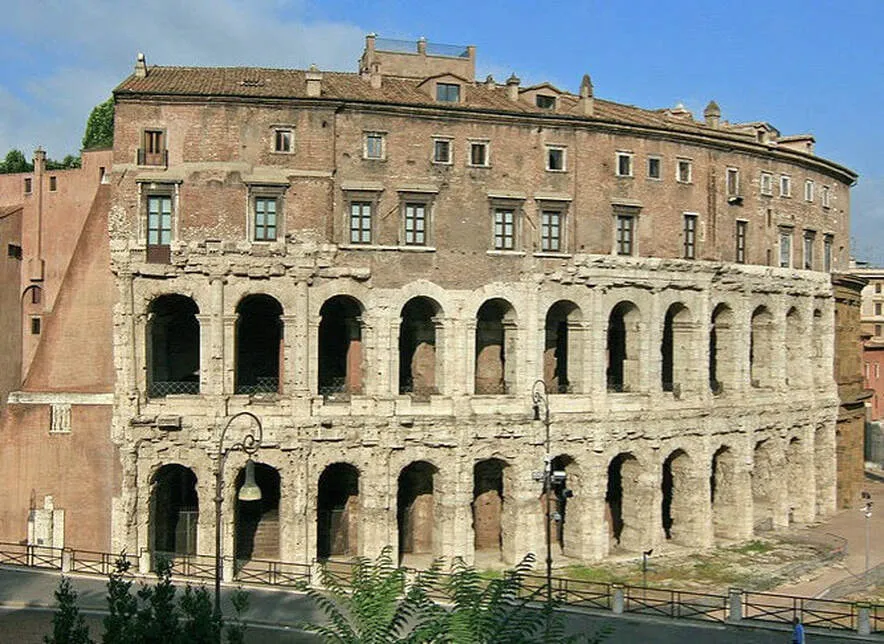
Theatre of Marcellus
Begun by Julius Caesar and completed by Augustus in 13 BC, this was the largest open-air theatre in ancient Rome, seating up to 20,000 spectators.
Its arched facade served as a model for the Colosseum, built over a century later. Since the 16th century, private apartments have occupied its upper floors - one of the most unusual addresses in the world.
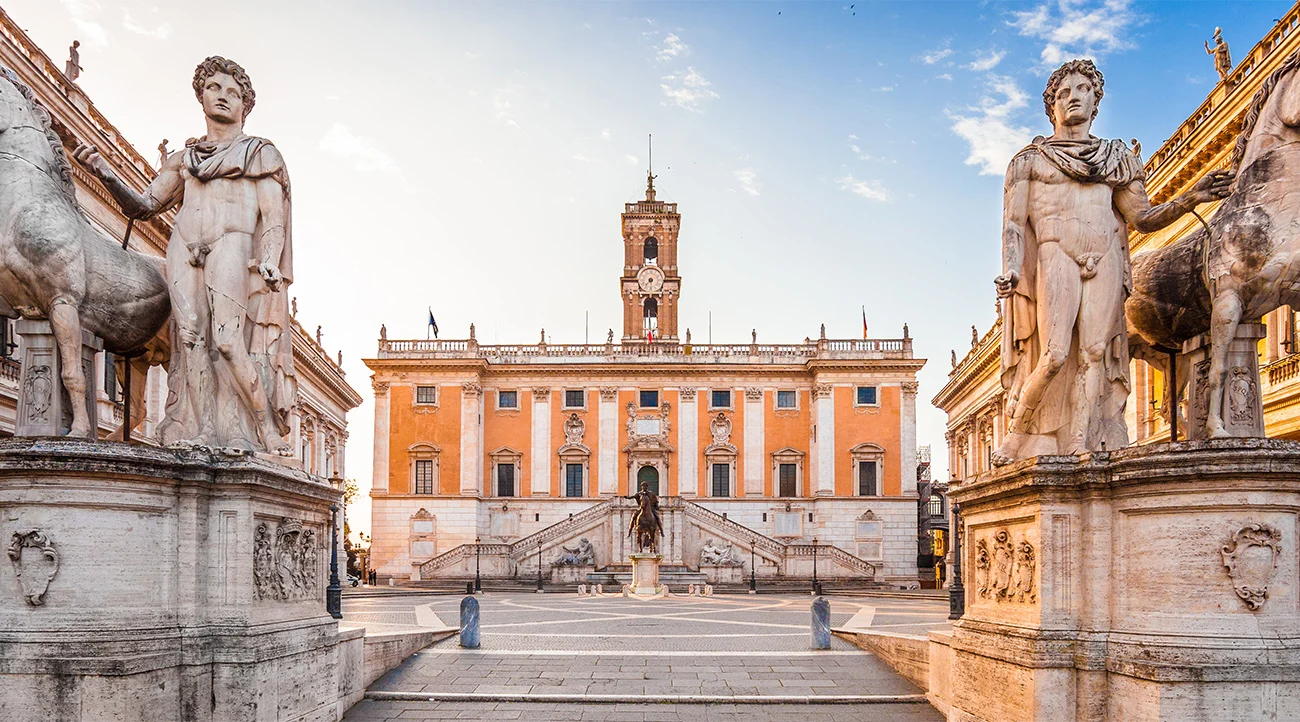
Piazza del Campidoglio
The walk ends on the Capitoline Hill, the smallest but most sacred of Rome's seven hills. Piazza del Campidoglio was redesigned by Michelangelo in 1536, one of the earliest examples of Renaissance urban planning.
The square is framed by three palaces, home to the Capitoline Museums, the oldest public museum collection in the world (founded in 1471). From the terrace behind Palazzo Senatorio, you can take in one of the finest views of the Roman Forum and the city beyond.
The conference social dinner awaits at Terrazza Caffarelli, within the Capitoline Museums complex, overlooking the rooftops of Rome.
Prefer a different route? Explore Itinerary 1: From the Colosseum to the Capitoline Hill